How do bicycle accident claims work?
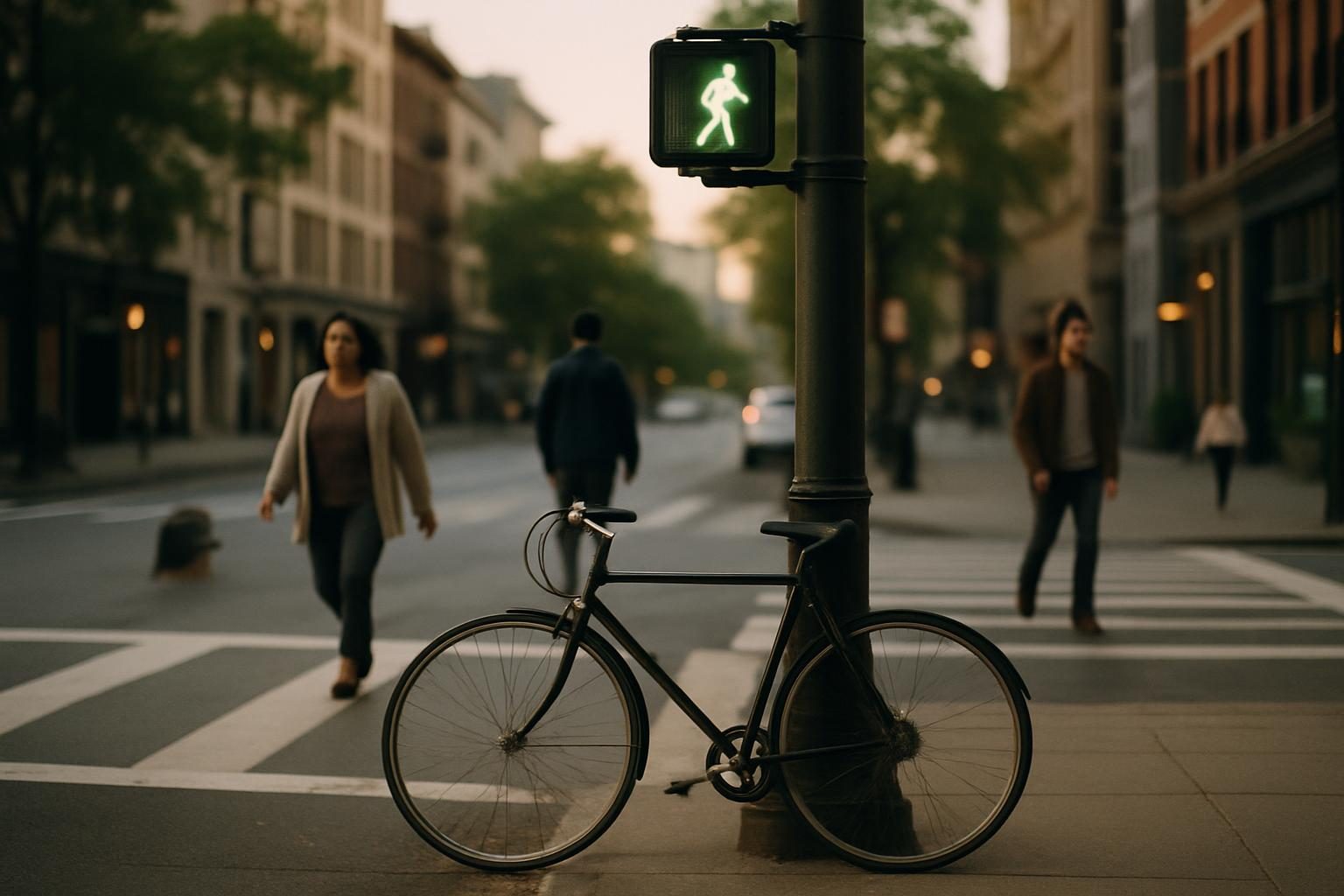
How bicycle accident claims work
Bicycle accident claims work much like car accident claims. In most states, a person riding a bicycle on the road has the same general rights and duties as a driver. If a driver's carelessness caused the crash, you can claim against that driver's liability insurance for:
- Medical bills, now and in the future
- Lost wages and reduced ability to work
- Your bike, helmet, clothing and gear
- Pain and suffering
Common causes and who is at fault
- Right hooks and left crosses. A driver turns across a cyclist going straight.
- Dooring. A parked driver or passenger opens a door into a rider. Many states and cities have laws requiring people to check before opening a door into traffic.
- Unsafe passing. Many states require drivers to give cyclists at least 3 feet when passing.
- Failure to yield at intersections, driveways and stop signs.
- Road defects, such as potholes or broken pavement, which may involve a government agency with short notice deadlines.
Insurers may argue the rider shares fault for riding against traffic, running a stop sign, riding at night without required lights, or riding where bikes aren't allowed. Most states reduce compensation by the rider's share of fault, and a few bar recovery for any fault.
Crashes with other cyclists, pedestrians or e-scooters are handled under the same negligence rules, but there may be no auto insurance involved. In those cases, the at-fault person's homeowners or renters liability coverage may pay. Electric bikes can raise extra questions about classification and insurance under state law, so check how your state treats them.
Ask about your situation
Type your question the way you'd say it. Free, no sign-up, and we never ask for your name.
See injury lawyers near youWhose insurance covers a cyclist
- The driver's liability insurance is the main source when the driver is at fault.
- Your own auto policy often covers you even on a bike: PIP in no-fault states, MedPay, and uninsured/underinsured motorist coverage if the driver has too little insurance or fled.
- A household member's auto policy may cover you if you live with a relative who has coverage.
- Health insurance can pay bills now, with possible repayment later.
- Homeowners or renters insurance may cover a stolen or damaged bike in some situations, and may cover your liability if you hit someone.
Report the crash to your own insurer promptly, even if the driver's insurer accepts fault, so your own coverage stays available.
Evidence that helps a bike accident claim
- Get medical care right away; head injuries can be delayed.
- Call police and get a report, even if the driver wants to skip it.
- Photograph the scene, the car, your bike and your injuries.
- Save helmet-cam footage, bike computer or GPS data showing speed and route.
- Don't repair or throw away the bike or helmet.
- Get witness names; ask nearby businesses about cameras.
What a bicycle accident claim can include
Cyclists' damages are often higher than drivers' because riders have little protection. A claim can include:
- Emergency care, surgery, physical therapy and future treatment
- Lost wages and, for lasting injuries, reduced future earning ability
- Repair or replacement of the bike, helmet, clothing, lights and electronics, at fair value
- Pain and suffering and loss of activities, including riding itself
Keep receipts for the bike and gear, or find similar listings, to prove their value. Don't throw away damaged equipment until the claim is resolved.
Helmets, deadlines and help
Helmet laws vary by state and city and often apply only to children. Not wearing a helmet usually does not make you at fault for the crash, but in some states the insurer may argue it made a head injury worse. NHTSA reports 1,103 bicyclists were killed in traffic crashes in 2024.
Your deadline to sue is your state's personal injury statute of limitations, commonly 2 or 3 years. Many riders talk with an injury lawyer after a serious crash; injurylawyers.si can list injury law firms near your ZIP code. This page is general information, not legal advice.
Common questions
Does car insurance cover a bicycle accident?
Often yes. The at-fault driver's liability coverage pays your damages, and your own auto policy's PIP, MedPay or uninsured motorist coverage may cover you while riding.
Who is at fault in a dooring accident?
Usually the person who opened the door, since many state and local laws require checking for traffic first. The rider's position and speed can affect fault.
Can I file a claim if I wasn't wearing a helmet?
Yes, in most cases. Not wearing a helmet generally doesn't cause the crash, though some states let the insurer argue it worsened head injuries.
What if a pothole caused my bike crash?
You may have a claim against the government agency responsible for the road, but these claims often require a written notice within a short time, sometimes months.