Pedestrian hit by a car: what should I do?
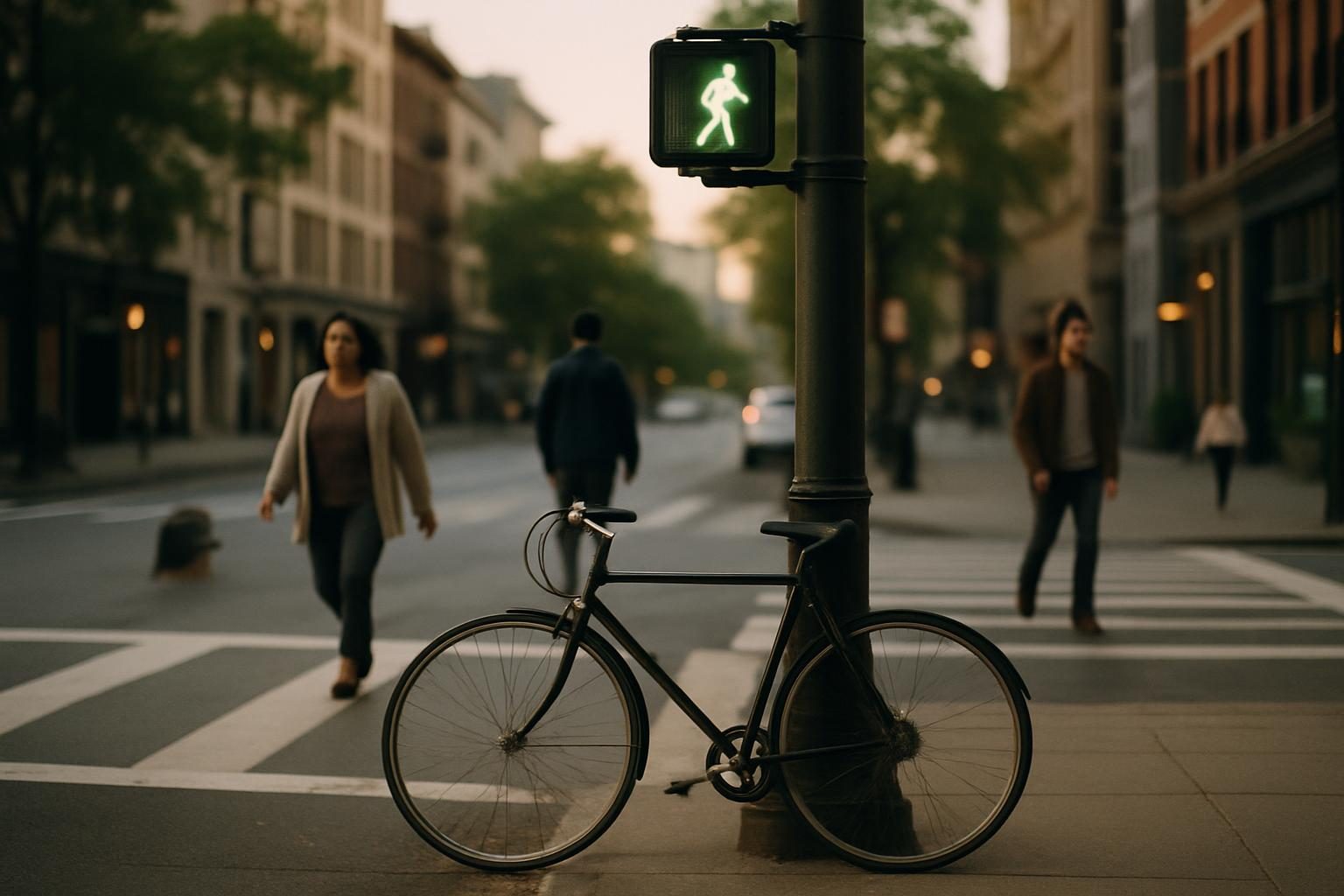
Pedestrian hit by a car: what to do first
- Call 911 and accept medical care. Pedestrian injuries are often serious, and adrenaline can hide pain.
- Get the driver's name, license, plate, and insurance, or have police collect it.
- Get witnesses' contact information. Pedestrian crashes often turn on who had the light.
- Photograph the crosswalk, signals, signs, lighting, the car, and your injuries.
- Keep your clothes and shoes as evidence.
- Get the police report number.
- Don't discuss fault with the driver or their insurer beyond basic facts.
Who is at fault when a pedestrian is hit
Drivers must use reasonable care to avoid hitting people, which includes watching for pedestrians, obeying signals and speed limits, and yielding at crosswalks. In most states, drivers must yield to pedestrians in marked crosswalks and in unmarked crosswalks at intersections.
Pedestrians have duties too. Crossing mid-block, against a signal, or stepping suddenly into traffic can make you partly at fault. In most states that reduces your compensation by your percentage of fault rather than eliminating it, though a few states bar recovery if you were at all at fault, and many bar it at 50% or 51%. Rules on crossing outside crosswalks differ; California, for example, changed its law in 2023 to limit tickets for crossing outside a crosswalk when it is safe.
Fault is decided from the evidence, so witness names and video can matter a great deal.
Ask about your situation
Type your question the way you'd say it. Free, no sign-up, and we never ask for your name.
See injury lawyers near youWho pays a pedestrian's medical bills
- The driver's liability insurance pays your damages, including pain and suffering, if the driver was at fault, up to policy limits.
- Your own PIP in no-fault states often covers you as a pedestrian struck by a car. If you have no auto policy, the driver's PIP or a state plan may apply, depending on the state.
- Your own MedPay, if you have it, may cover you as a pedestrian.
- Your uninsured/underinsured motorist coverage can apply if the driver had no insurance, too little, or fled.
- Health insurance pays treatment but may seek repayment from your settlement.
If you don't own a car, ask whether anyone in your household has an auto policy. Many policies cover relatives who live in the home, so a parent's, spouse's or roommate-relative's policy may provide PIP, MedPay or uninsured motorist coverage. If the driver was working at the time, such as making deliveries, the employer's commercial policy may apply as well. Medicare, Medicaid or other health coverage can pay medical bills while the claim is pending, subject to repayment.
Why pedestrian claims are often large
NHTSA reports that 7,080 pedestrians were killed in traffic crashes in 2024. Survivors often have fractures, head injuries and long recoveries. Minimum liability limits may not cover serious injuries, so check every policy that may apply, including household members' auto policies. Damages can include medical bills, future care, lost wages, reduced earning capacity, and pain and suffering.
Common pedestrian accident situations
- Turning vehicles at intersections: drivers turning left or right must yield to pedestrians crossing with the signal.
- Backing out of driveways and parking spaces: drivers must check behind them; parking lot crashes are usually handled under the same negligence rules.
- Distracted or speeding drivers: phone records and vehicle data may be important evidence.
- Low light: crashes at night or dusk often involve arguments about visibility, so lighting conditions and clothing matter.
- Children hit near schools or homes: drivers are generally expected to take extra care where children are likely to be present.
Deadlines and help
The deadline to sue is your state's personal injury statute of limitations, commonly 2 or 3 years. If a city vehicle or a dangerous road design was involved, a short government notice deadline may apply.
Because pedestrian cases often involve disputed fault and several insurance policies, many people speak with an injury lawyer. injurylawyers.si can show injury law firms near your ZIP code. This page is general information, not legal advice.
Common questions
Is the driver always at fault when a pedestrian is hit?
No. Drivers have a strong duty of care, but a pedestrian who crossed against a signal or stepped suddenly into traffic may share fault, which can reduce or in some states bar recovery.
Does my car insurance cover me if I'm hit while walking?
Often yes. PIP in no-fault states, MedPay and uninsured motorist coverage on your own policy commonly cover you as a pedestrian struck by a vehicle. Check your policy.
What if I was jaywalking when I was hit?
You may still recover in most states, but your compensation can be reduced by your share of fault. In a few contributory negligence states, any fault can bar recovery.
How long do I have to file a pedestrian accident claim?
Your state's personal injury deadline applies, commonly 2 or 3 years, and claims involving government vehicles can have much shorter notice deadlines.