Slip and fall in a store: is the store responsible?
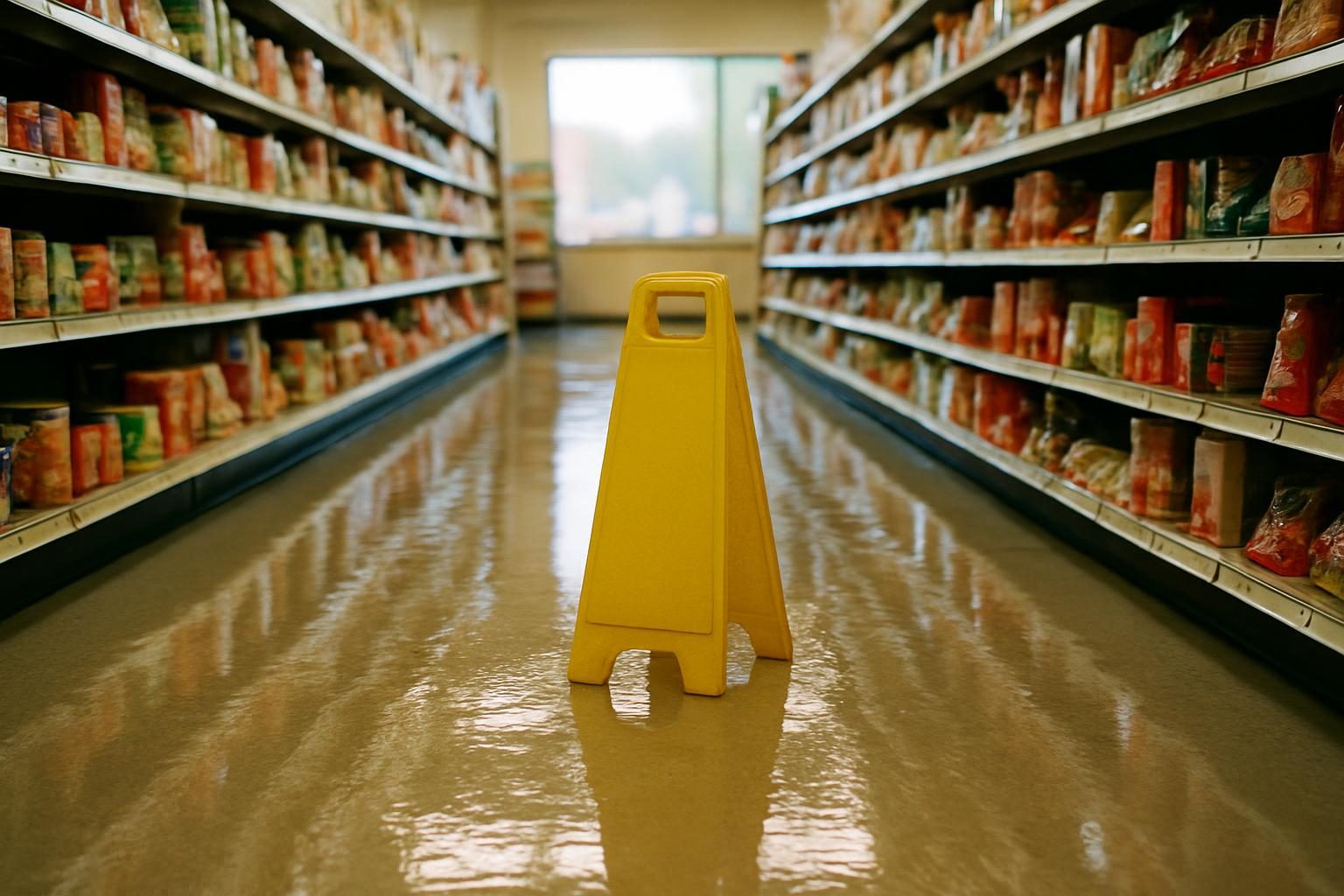
Is the store responsible for a slip and fall? The basic rule
Is the store responsible if you slip and fall? Not automatically. Stores are not insurers of everyone who walks in. But customers are usually treated as invitees, the group owed the highest duty of care. That means the store must use reasonable care to keep the premises safe, inspect for hazards, and fix or warn about dangers it knows or should know about.
To hold a store liable, you generally need to show:
- There was a dangerous condition, such as a spill, loose mat, broken tile or poor lighting.
- The store created it, or knew about it (actual notice), or it was there long enough that staff should have found it (constructive notice).
- The store failed to fix it or warn you within a reasonable time.
- The condition caused your fall and your injuries.
Proving the store knew or should have known
Notice is often the hardest part. Evidence that helps:
- Dirt, cart tracks or footprints through a spill, which suggest it sat there for a while
- A leak or drip that staff had been told about
- An employee nearby who saw the hazard
- Store inspection or sweep logs showing gaps
- Surveillance video showing when the spill happened
Some states use a "mode of operation" approach for self-service stores, where the business can be liable for hazards that are a foreseeable result of how it operates, such as grapes in a produce aisle, even without proof of how long the hazard was there. Rules differ by state.
Ask about your situation
Type your question the way you'd say it. Free, no sign-up, and we never ask for your name.
See injury lawyers near youDefenses stores commonly raise
- Open and obvious: the hazard was plain to see, so no warning was needed. How much this matters varies by state.
- Your share of fault: looking at your phone, unsafe shoes, or ignoring a wet-floor sign. In most states your compensation is reduced by your percentage of fault, and in many states you recover nothing if you are 50% or 51% or more at fault.
- No notice: the spill happened seconds before you fell.
- Not caused by the fall: the injury was pre-existing.
What to do right after a fall in a store
- Get medical help. Hip, wrist, head and back injuries are common in falls and may worsen over a day or two.
- Report the fall to a manager and ask for a copy of the incident report, or at least the report number.
- Photograph the hazard, the area, any missing warning signs and your shoes before anything is cleaned.
- Get names and phone numbers of witnesses.
- Keep the shoes and clothes you were wearing.
- Ask in writing that the store keep its surveillance video. Many systems record over footage in days or weeks.
- Don't give a recorded statement to the store's insurer until you understand your injuries.
Common store hazards behind slip and fall claims
- Spilled liquids, produce or broken jars in aisles
- Rain or snow tracked in at entrances without mats or warning signs
- Freshly mopped or waxed floors with no sign posted
- Torn mats, uneven flooring, or cords across walkways
- Merchandise falling from high shelves
- Poorly lit or icy parking lots and sidewalks the store controls
If the hazard was in a parking lot or a shared mall area, the property owner or a maintenance contractor, not just the store, may be responsible.
Who pays and how long you have
Most stores carry general liability insurance, and claims are usually handled by that insurer or a claims administrator. Damages can include medical bills, lost wages and pain and suffering. The deadline to sue is your state's personal injury statute of limitations, commonly 2 or 3 years, though it ranges from 1 to 6 years. If the store is in a government building, a much shorter notice deadline may apply.
For serious injuries, many people consult an injury lawyer early so evidence such as video can be preserved. injurylawyers.si can show injury law firms near your ZIP code. This page is general information, not legal advice.
Common questions
Can I sue a store for slipping on a wet floor?
You may have a claim if the store created the wet floor or knew or should have known about it and did not clean it up or warn you. A visible wet-floor sign can weaken the claim, depending on the circumstances and your state.
Does the store have to give me a copy of the incident report?
Stores are generally not required to hand over their internal incident reports, but you can ask, and a lawyer can request it later in a lawsuit. Write down the report number and the manager's name.
How long does a store keep surveillance video?
It varies by store and system, and footage is often overwritten within days or weeks. Send a written request to preserve it as soon as possible.
What if I was partly at fault for my fall?
Most states reduce your compensation by your percentage of fault. A few states bar recovery if you were at fault at all, and many bar it if you were 50% or 51% or more at fault.