What to do after a hit and run?
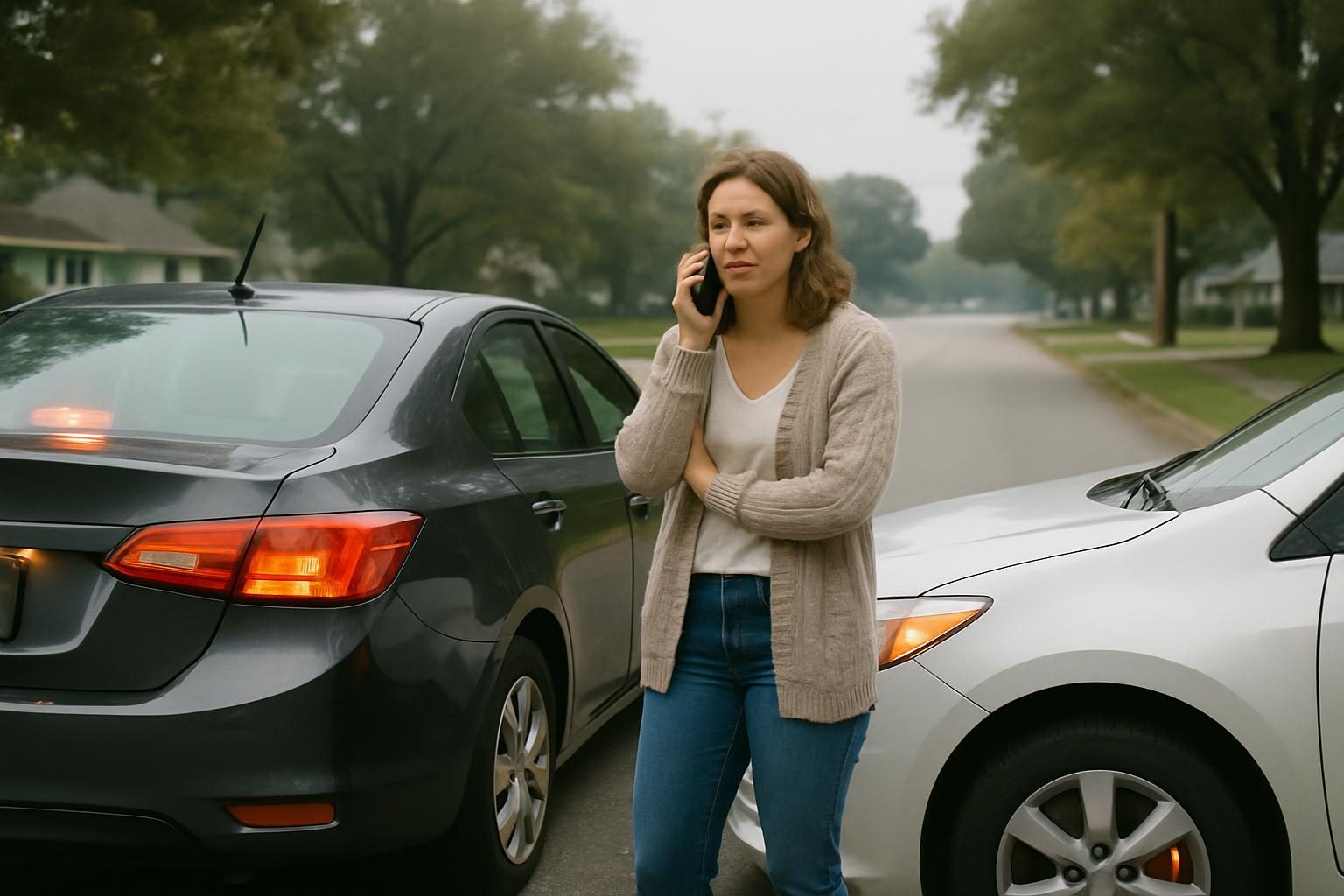
What to do after a hit and run: the first hour
- Check for injuries and call 911. Leaving the scene of an injury crash is a crime in every state, and a police report is often required for an insurance claim.
- Don't chase the other driver. It's dangerous and can complicate your claim.
- Write down what you remember immediately: plate number or partial plate, make, model, color, damage, direction of travel, and the driver's description.
- Photograph your vehicle, paint transfer, debris, the scene, and your injuries.
- Find witnesses and get their contact information.
- Look for cameras. Nearby businesses, homes with doorbell cameras, traffic cameras or other drivers' dashcams may have caught the car. Ask quickly; footage is often overwritten.
- Get medical care the same day if you have any pain.
Report to police and your insurer quickly
Report the crash to police right away if they didn't come to the scene, and get the report number. Then notify your own insurance company. Policies require prompt notice, and some policies and states require a hit-and-run to be reported to police within a short time, such as 24 hours, for uninsured motorist coverage to apply. Check your policy.
Ask about your situation
Type your question the way you'd say it. Free, no sign-up, and we never ask for your name.
See injury lawyers near youWho pays after a hit and run if the driver isn't found
- Uninsured motorist bodily injury (UM) coverage. In most states, a hit-and-run driver is treated as an uninsured driver, so UM can pay medical bills, lost wages and pain and suffering. UM coverage is mandatory in about 20 jurisdictions and optional elsewhere. Some states or policies require physical contact with the other vehicle, or independent proof, for a "phantom vehicle" claim.
- PIP pays medical bills and some lost wages in no-fault states regardless of fault.
- Medical payments coverage (MedPay), if you have it, pays medical bills regardless of fault.
- Collision coverage pays to fix your car, minus your deductible. Some states offer uninsured motorist property damage coverage instead.
- Health insurance can cover treatment, but may seek repayment from any later recovery.
A UM claim is against your own insurer, but your insurer may still dispute the value of your injuries. You are not required to accept its first number.
When you call your insurer, ask which coverages apply, what deductibles you face, and whether your policy has any deadline or proof requirement for a hit-and-run claim. Write down the claim number and adjuster's name.
If you were a pedestrian or cyclist hit by a driver who fled
Your own auto policy often still covers you. UM and PIP or MedPay coverage generally follow you, not just your car, so you may be covered even while walking or biking. A relative's policy in your household may also apply.
Common hit and run situations
- Parked car hit while you were away: usually a property damage claim under collision or uninsured motorist property damage coverage. Check for notes left on the car and nearby cameras.
- Sideswiped on the highway: get the location, time and lane, and report it quickly; highway cameras may help.
- Hit while walking or biking: your UM and PIP or MedPay may cover you, as explained below.
- Run off the road with no contact: some policies and states require physical contact or independent witnesses for a claim, so witness information is especially important.
Keep copies of the police report, photos and every letter from your insurer in one place.
If the driver is found later
If police identify the driver, you can claim against that driver's liability insurance, and the driver may face criminal charges. A criminal court may order restitution, but that is separate from your injury claim. Your state's statute of limitations for injury, commonly 2 or 3 years, still applies, and UM claims may have their own policy deadlines.
Uninsured motorist claims can be contested, and many people talk with an injury lawyer about them. injurylawyers.si can list injury law firms near your ZIP code. This page is general information, not legal advice.
Common questions
Does insurance cover a hit and run?
Usually your own coverage does: uninsured motorist coverage for injuries, collision or uninsured motorist property damage coverage for your car, and PIP or MedPay for medical bills, depending on what you carry and your state.
Will my rates go up after a hit-and-run claim?
Many states limit rate increases for accidents where you were not at fault, but rules vary by state and insurer. Ask your insurer or state insurance department.
What if I don't have uninsured motorist coverage?
Then injury compensation may be limited to PIP, MedPay, health insurance, or a claim against the driver if found. Check whether another household policy covers you.
How soon do I need to report a hit and run?
As soon as possible. Some policies and states require reporting to police within about 24 hours for an uninsured motorist claim.